How Passenger Counting Improves Passenger Flow at Transit Stations
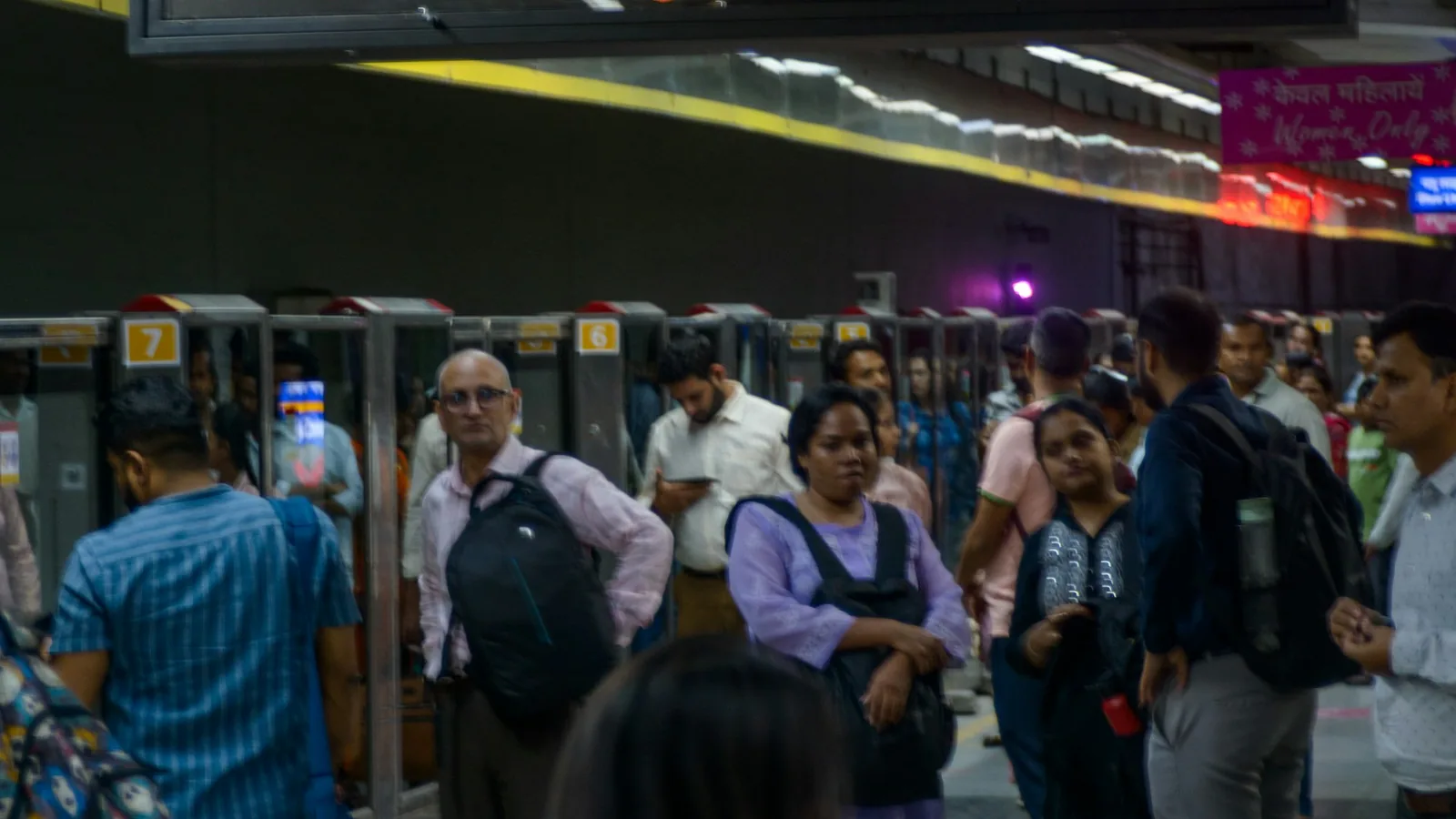
Passenger counting helps station teams see where and when people accumulate across entrances, platforms, concourses, and transfer areas. By measuring movement at selected points, operators can identify recurring congestion and assess how passengers are distributed through the station.
The counts are most effective when they are tied to a clear operational question. A station may need to understand an entrance queue, a crowded interchange path, or the way passengers spread across a platform. Sensor placement and reporting should follow that need.
Measure movement at the points that matter
Stations contain several passenger flows at once. People enter and leave, transfer between services, wait in shared areas, and move through gates or corridors. A single total for the whole station cannot describe all of those movements.
Counting at defined points creates a more useful picture. Depending on the station layout, teams may compare:
- entries and exits by access point;
- movement toward different platforms or transfer routes;
- passenger volumes before and after a vehicle arrives;
- demand by time of day or day of week; and
- the rate at which a busy area clears.
These counts can show where passenger volumes are concentrated and how the pattern changes during the operating day.
Find recurring congestion patterns
Real-time counts can signal that passenger density is increasing in a monitored area. Historical data shows whether the same condition appears repeatedly around particular arrivals, departures, or interchange periods.
That distinction matters. A short, isolated increase may need immediate observation, while a recurring pattern may justify a review of station operations or layout.
Passenger counts identify where and when to look. They do not show every cause of congestion. Teams should interpret them alongside train or bus movements, service disruptions, station design, temporary obstructions, and on-site observations.
Support crowd-distribution decisions
With a clearer view of passenger movement, station teams can assess operational changes such as queue arrangements, staff deployment, wayfinding, gate use, or the timing of access to particular areas. The available actions depend on the station and its safety procedures.
Counts provide a consistent way to compare the result. If an entrance arrangement changes, for example, teams can review whether demand became more evenly distributed or whether congestion shifted to another location.
Real-time information can also support passenger communication. When integrated with the station’s information systems, current conditions may help direct people toward alternative entrances, routes, or waiting areas where those options exist.
Plan for normal peaks and unusual demand
Historical passenger-flow data establishes the station’s regular rhythm. It can show weekday peaks, interchange surges, and seasonal differences. This baseline helps teams distinguish expected busy periods from unusual demand.
For planned events or service changes, previous patterns can inform staffing and crowd-management preparation. During operations, current counts show how the actual flow compares with the expected pattern.
Use counts as part of station management
Passenger counting does not replace staff observation, safety systems, or established crowd-management procedures. It adds a continuous, measurable view of movement that those processes can use.
Explore how WEBREATHE applies Automatic Passenger Counting across buses, metros, and trains or read how real-time occupancy data supports passengers and operations teams .